The Cub on Xbox: Where the Time Goes in a Port, and How We Win It Back
A typical console port takes around six months. Our framework can cut that by up to 60%. Here is what that looks like on a real project - The Cub, ported from PC to two generations of Xbox and certified on the first attempt.
 Przemysław ChmuraBusiness Development Representative
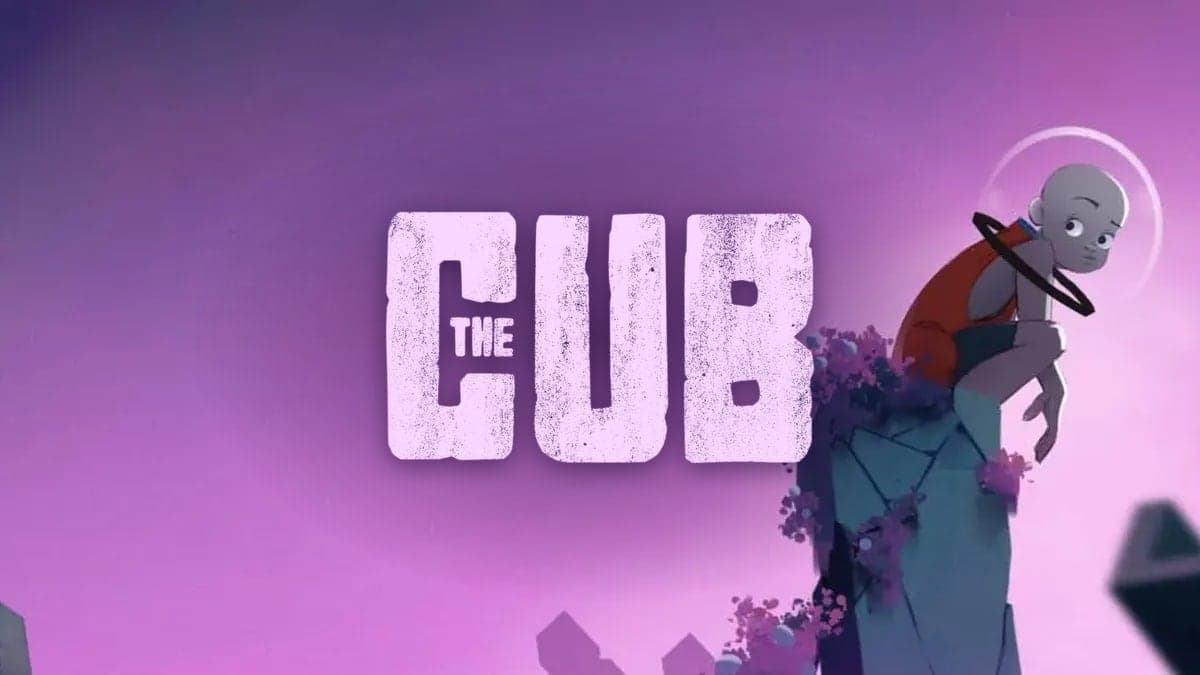
When I talk to studios about porting, the first question is almost never about technology. It is about time.
How long will it take? When can we announce? Will the console version land while people still remember the PC launch?
Those are the right questions. A port that takes too long costs more than its budget - it costs momentum. So in this post I want to look at one of our projects, The Cub, through exactly that lens: where the time in a port usually goes, and where we win it back.
The starting point: six months is the default
A typical game porting project takes around six months. Not because teams are slow, but because the same work has to happen on every project: understanding the codebase, adapting platform systems, integrating SDKs, tuning performance and preparing for certification.
We estimate that around 70% of a typical port is some form of recurring engineering work. That does not mean 70% of the port does itself. It means that most of the hours go into problems the industry has solved many times before - just never on this particular game.
That recurring part is what LYNCIS GAMES is built to compress.
The project: one game, two generations of Xbox
The Cub had a clear brief: bring a Unity-built PC platformer to two Xbox hardware generations at once, and make it feel equally at home on a base Xbox One and a Series X - without separate versions of the game for each console.
That kind of brief is where time usually disappears. Every hardware tier needs its own rendering and performance targets. Achievements and platform systems have to be wired in. And everything has to be tested on real hardware - Series X, Series S and Xbox One, including suspend/resume and thermal behavior - not just on dev kits. My colleague Sylwester wrote a detailed breakdown of that work in Porting The Cub to Xbox.
The result: a single, consistent build shipped across Xbox Series X|S and Xbox One, with full achievement support and no compromises tied to any one hardware generation.
Where the time goes, and where we win it back
Here is how we look at the timeline of a port like this. The phases are the same on every project; what changes is how much of each phase is spent rediscovering things we already know.
| Phase | What usually eats the time | What changes with LYNCIS GAMES |
|---|---|---|
| Getting to know the project | Hours of manual digging through an unfamiliar codebase before anyone can estimate | A project scan gives an initial overview of risks and problem areas in minutes |
| Technical review | Open-ended discovery that keeps surfacing surprises mid-project | A fixed 3 to 7 day review that confirms scope, delivery time and price up front |
| Port and verify | Recurring platform work - controllers, saves, achievements, SDKs - written from scratch every time | Recurring work is accelerated by our framework; developers focus on what is unique to the game |
| QA and certification | Failed submissions, fixes, retesting and another slot in the queue | Our in-house team handles FQA, LQA and CQA, then coordinates certification and any standard resubmissions |
The last row is where The Cub shows the difference most clearly.
First-attempt certification is the hidden time saver
Certification is the one phase nobody can rush. A failed submission is not just a bug report - it is another round of fixes, another round of testing and another wait before the platform holder looks at the build again. On a tight release plan, one failed round can move a launch date.
The Cub passed certification on the first attempt. Here is how Untold Tales put it:
"LYNCIS GAMES made porting far more cost-effective and easier to manage, letting us bring the release to more platforms. The game also passed certification on the first attempt - proof of how reliable the tool is."
Ewa Buczkowska, Producer, Untold Tales
From a business point of view, that quote contains the whole story. A port that is cheaper and easier to manage means the publisher can afford more platforms. A port that passes certification the first time means the release date the team planned is the release date players get.
What "up to 60% faster" means in months
Numbers in percentages are easy to nod at and hard to plan with, so let me translate. These are the general figures we work with, not a stopwatch reading from one project:
- A typical port: around six months.
- With our framework: up to 60% shorter - roughly two to three months.
- Time back for the studio: about three to four months.
Three to four months is a long time in this industry. It is a console release that lands while the PC launch is still fresh. It is a sale or a festival you can still make. It is a team that moves on to its next project a season earlier.
It also shows up in how we price. Our fixed-price tiers come with target delivery times of up to 3 months for Tier 1 / Indie, around 4 months for Tier 2 / Premium Indie and around 5 months for Tier 3 / AA. You can see the full breakdown in how fixed-price porting works.
Faster does not mean fewer checks
I want to be clear about one thing, because studios rightly ask. The time we save does not come from skipping testing or cutting corners. AI in our framework is an engineering tool, never a content generator, and every production change is reviewed by a human developer.
The Cub is a good example of that balance. It was tested on real hardware across three consoles, and it still went through certification cleanly. The time came out of the repetitive work - not out of the quality.
If you are planning a console release and want to know what your timeline could look like, get in touch. A free estimate is the fastest way to find out.
Frequently Asked Questions
How much time can LYNCIS GAMES save on a console port?
A typical port takes around six months. With our framework, we can shorten that by up to 60%, to roughly two to three months, depending on the game, the engine and the target platforms.
Did The Cub pass Xbox certification on the first attempt?
Yes. According to Untold Tales, the game's publisher, The Cub passed certification on the first attempt, which avoided the extra round of fixes, retesting and resubmission that a failed submission brings.
Which platforms was The Cub ported to?
The Cub was ported from PC to Xbox Series X|S and Xbox One and shipped as a single, consistent build with full Xbox achievement support.
Does a faster port mean less testing?
No. The time savings come from accelerating recurring engineering work. Testing on real hardware and human review of every production change stay part of the process.